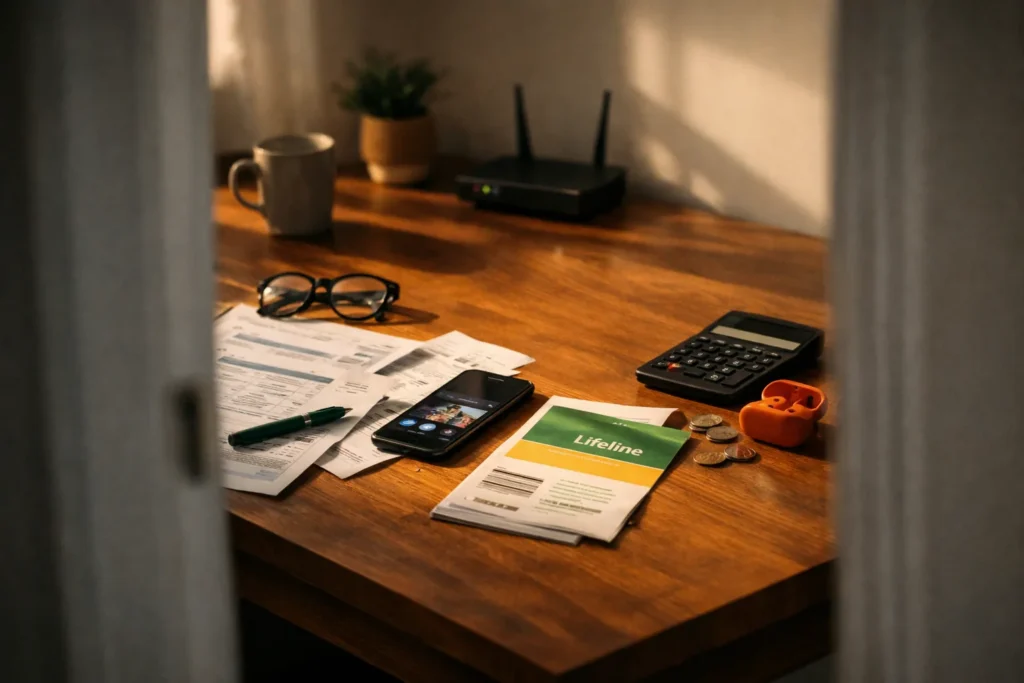





An electric bill is one of the few documents that arrives every month and gets read almost never. That is a pity, because the layout holds clues about why the total moved. This guide covers the line items you will usually find on a Georgia residential bill, the ones that change with the weather, and the places to turn when a number does not make sense.
Start with the usage section
Look first at kilowatt-hours, often shortened to kWh. This is the amount of electricity you used in the billing period, and it is the single number that drives most of the total. A kilowatt-hour is the energy used by a 1,000-watt appliance running for an hour. Compare this month’s kWh with the same month last year, which most bills show in a small chart or table. Weather, the number of days in the cycle, and new appliances all explain differences.
Check also the number of days in the billing period. A 33-day cycle will produce a higher bill than a 28-day one, even if you used power at the same pace each day.
The usual line items
- Basic service or customer charge. A fixed monthly fee that covers the cost of meters, billing, and connection. It is charged whether you use a lot of power or none.
- Energy charge. The price per kWh multiplied by your usage. Some rate plans use tiers or time-of-use pricing, so the price per kWh may change with the season or the hour of day.
- Fuel or cost adjustments. A line that reflects what the utility paid for the fuel and purchased power used to generate electricity. It can go up or down from one period to the next.
- Riders and environmental or storm-related charges. Regulators sometimes approve separate charges for specific programs or recovery costs. They appear as individual lines.
- Taxes and franchise fees. State and local sales taxes and fees vary by location, so two Georgia neighbors in different jurisdictions may see slightly different totals.
What changes with the seasons
In Atlanta and across Georgia, summer air conditioning is the biggest swing factor. A hot July can raise kWh sharply, and some rate plans charge a higher price per kWh in summer months. Winter brings heating costs for homes with electric heat pumps or resistance heaters, though many Georgia homes use gas for heating, which will not appear on the electric bill.
Look at the temperature in your billing period if the bill jumps. A stretch of unusually hot or cold days is often the full explanation. If the usage is up but the weather was mild, look inside the house: a failing refrigerator, a water heater stuck on, or a space heater left running can all account for a surprising number of kilowatt-hours.
Check the meter reading type
Bills will show whether a reading was “actual” or “estimated.” Estimates can happen when a meter cannot be reached or reported. An estimate that runs high one month is usually corrected the next, but it can distort your picture of normal use. If you see two estimates in a row, call the utility and ask for an actual read.
Where to take questions
Start with the utility itself, using the customer service number on the bill. Ask for an explanation of any line you do not understand, request a copy of your rate schedule, and ask whether you are on the best plan for your usage. Write down the date, the name of the representative, and what you were told.
If the issue is not resolved, the Georgia Public Service Commission, which regulates investor-owned electric utilities in the state, has a consumer affairs division that takes complaints and explains customer rights. Its main website is psc.georgia.gov. For help with unaffordable bills, contact your local community action agency or your utility about payment arrangements, and ask about programs such as the federal Low Income Home Energy Assistance Program, or LIHEAP, which helps eligible households with energy costs. Eligibility rules and funding levels change, so confirm the details with the agency.
A quick monthly routine
- Write the total, the kWh, and the number of days in your notebook or spreadsheet.
- Divide the total by the kWh to get your average cost per kWh. Watch how it moves.
- Compare with the same month last year.
- If the total moves more than 15 percent for no obvious reason, investigate.
The U.S. Energy Information Administration explains how rates and averages work at eia.gov. For a broader view of household budgeting around fixed costs, see the Budgeting basics section.