



Household supplies are the part of the shopping trip where you can save the most with the least effort, because the products are simple and the differences between brands are small. Still, some cheap items cost more in the long run, and a few raise safety concerns. Sorting them takes only a few minutes of thought.
Supplies that compare well on price
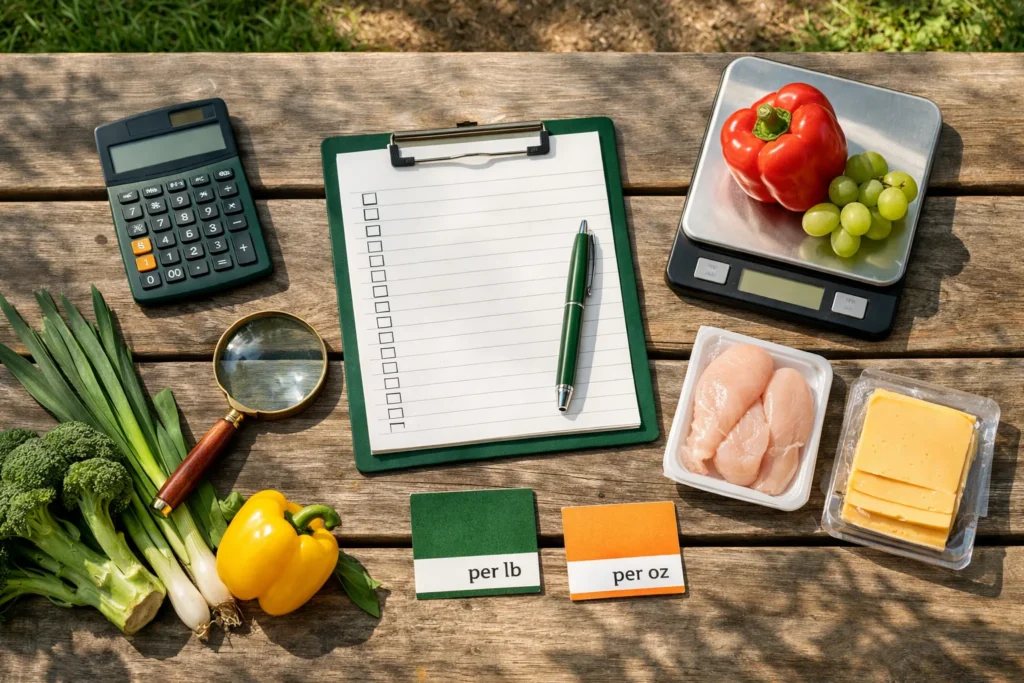
For items where quality differences are modest, the unit price is your best friend. Check the price per sheet, per count, or per ounce, and pick the cheapest that works for you.
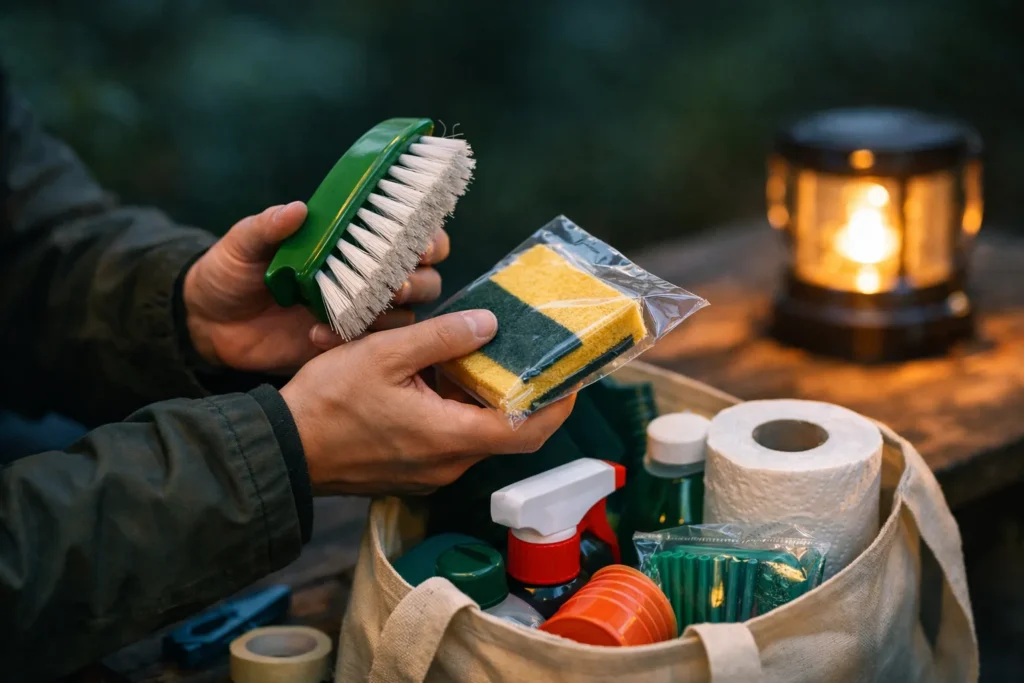
- Paper towels and napkins. Compare cost per sheet, and keep in mind that thicker sheets may mean you use fewer.
- Trash bags. Cost per bag matters, but a bag that rips costs more than the extra cents for a stronger one.
- Dish soap and laundry detergent. Concentrated versions can have a lower cost per load. Check the label for the number of loads.
- Basic cleaners. Plain soap, white vinegar, and baking soda handle many chores at low cost.
- Food storage and aluminum foil. Generic versions work well for most households.
Where cheap becomes a false bargain
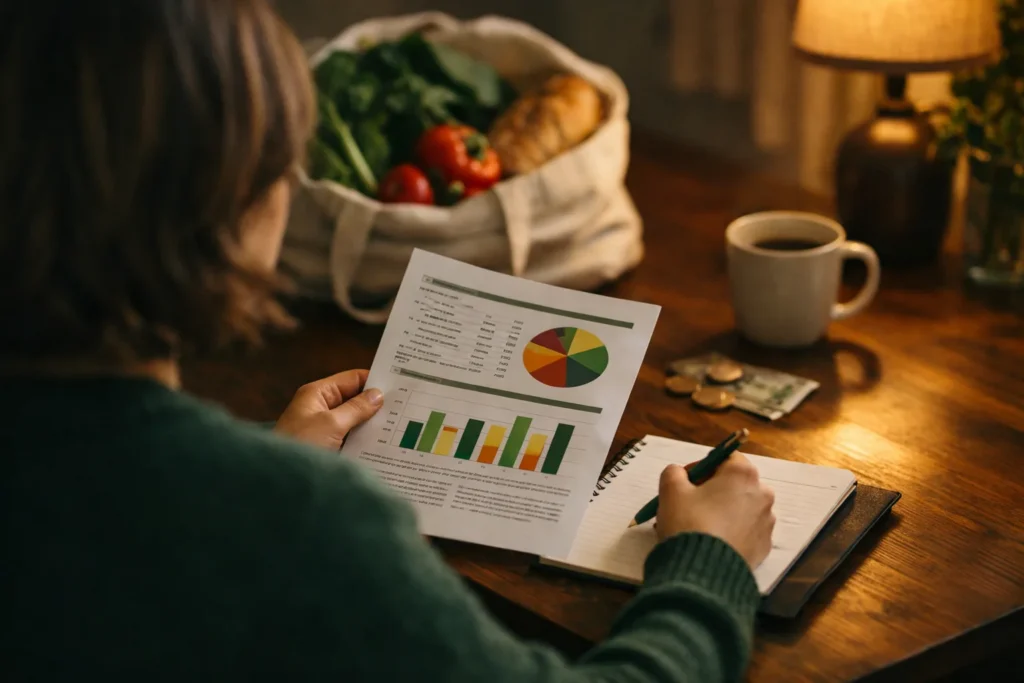
A low price only helps if the product does its job. Very thin trash bags tear, ultra-cheap light bulbs may burn out quickly, and bargain batteries may fade early in devices that draw a lot of power. For these items, test one small package before buying in bulk, and write down how it performed. If a $3 pack lasts half as long as a $5 one, the cheaper pack is the expensive choice.
Safety comes first
The Consumer Product Safety Commission publishes recalls and safety warnings for many consumer products, including some cheap imports. Before buying products that heat, charge, or contain chemicals, look up recent alerts. Pay particular attention to:
- Chargers and power strips. Look for certification marks from a recognized testing lab, and avoid anything with a damaged cord.
- Button batteries. These small coin-shaped batteries can be dangerous if swallowed. Keep them away from young children.
- Space heaters. A model without safety features can create a fire risk.
- Cleaning chemicals. Never mix bleach with ammonia or other cleaners, since toxic gases can result, and read each label, as the Environmental Protection Agency advises.
A simple way to test a cheaper product
Do not trust a single impression. When you switch to a cheaper paper towel, trash bag, or detergent, run a two-week trial and keep notes on a sticky label inside a cabinet door. Count how many rolls you used, how many bags tore, or how many loads you got from a bottle. Then divide the price by what you actually got. A pack that costs 30% less but needs 40% more use is a loss, and a plain count shows it without any guesswork.
Timing matters as well. Many supplies keep for months, so a sale on laundry detergent or dish soap is a fair moment to stock a few extra, as long as you have a dry place to store them and the price per unit beats your notebook entry. Skip the stockpile if it means crowding your cabinets or buying something you may never finish before it dries out or loses strength. Batteries, for example, should be stored at room temperature away from heat and loose metal objects, and mixing old and new ones in the same device can shorten the life of the set.
A quick buying rule
Ask three questions before you put any supply in the cart. Is it a commodity, meaning one version works about as well as another? Does it carry any safety risk if it fails? Will you use it before it expires or wears out? If the answers are yes, no, and yes, buy the cheapest unit price you can find. Otherwise, spend a little more for peace of mind.