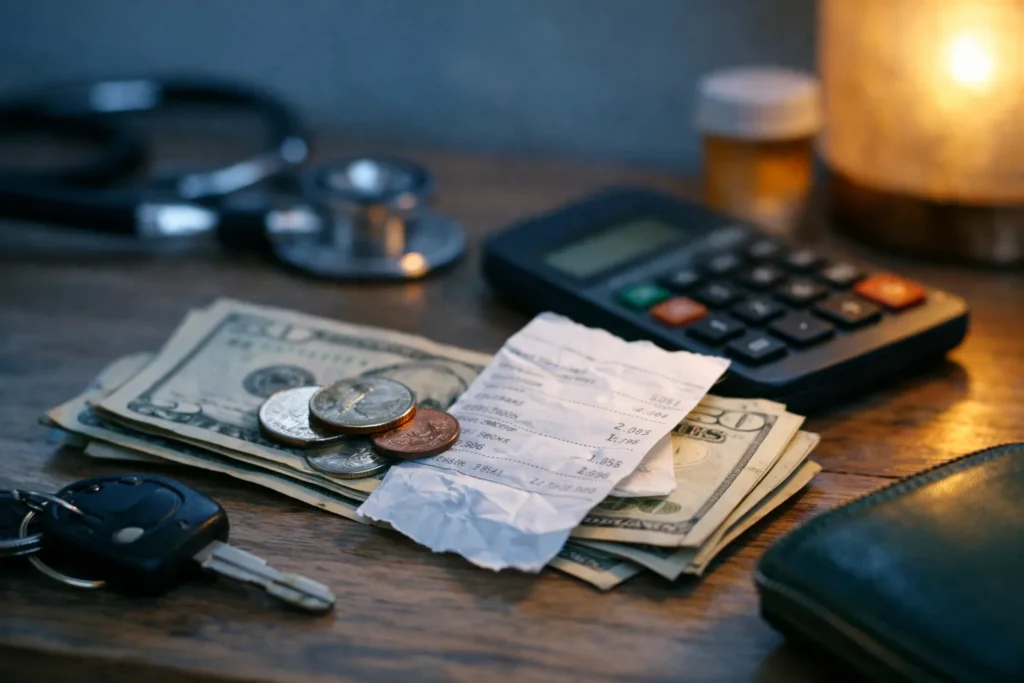





February is short, cold, and often follows an expensive holiday season, which makes it a good month for a no-spend challenge. The idea is not to stop spending altogether. It is to cut every purchase that is not a need and to see what you learn. With only 28 days, the commitment is manageable, and the Presidents Day long weekend gives you a built-in reason to plan free fun.
Set the rules before the month starts
Write your rules on paper on January 31. Without them, the challenge turns into guesswork on day eight. Here is a framework to adapt:
- Allowed: rent or mortgage, utilities, insurance, minimum debt payments, groceries, gas to get to work, medicine, and childcare.
- Not allowed: restaurants, takeout, coffee shops, new clothes, hobby supplies, and online impulse orders.
- Gray areas: decide ahead of time. A birthday gift, for instance, might be allowed under a small cap.
Share the rules with anyone in the household so everyone plays by the same ones.
The four-week calendar
| Week | Rule | Free activity | Check-in |
|---|---|---|---|
| Week 1 (Feb. 1-7) | No takeout or coffee shops | Board game night at home | Count the meals cooked at home |
| Week 2 (Feb. 8-14) | Groceries only from the list | Walk or bike ride in a local park | Compare the receipt with the list |
| Week 3 (Feb. 15-21) | No online shopping, even sales | Presidents Day: library visit or a free museum day | Write down the urges you resisted |
| Week 4 (Feb. 22-28) | Use up pantry and freezer items | Movie night from the library | Total the money not spent |
Move the dates to match the calendar year you are in. Presidents Day falls on the third Monday of February.
Free plans for Presidents Day weekend
Federal holidays are good days to get outside or visit public places. The National Park Service sometimes offers fee-free days at its sites, and the schedule changes from year to year, so check the current list before you plan around it. Other low-cost ideas include a visit to a local history museum on a free admission day, a homemade chili cook-off, or a family scavenger hunt on your own street.
Handle the hard moments
Day twelve is usually the toughest, because the novelty has worn off. Keep a short list of replacements for common triggers. If you usually buy a coffee on the way to work, brew a thermos at home. If you scroll shopping sites at night, move the apps off your home screen. If a friend invites you out, suggest a walk or a potluck.
The final check-in
On March 1, add up what you would normally have spent and compare it with what you did spend. Do not promise yourself a specific savings number, since every household starts from a different place. Ask yourself which purchases you missed and which you did not. Keep the ones that matter and drop the ones that do not. Some people repeat the challenge for a weekend each month, and others use it once a year as a reset.